PATERNO-IGNACIO, Dolores
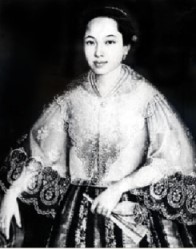
Dolores Paterno y de Vera-Ignacio (March 10, 1854 – July 3, 1881) was a Filipino composer known for the song " The Flower of Manila " (also known as " Sampaguita ").
Dolores Paterno came from the wealthy mestizo sangley Paterno family.
Musically inclined at a young age, she was sent by her parents to the Santa Isabel College, Manila, an all-girls Catholic school managed by the Daughters of Charity. She devoted much of her time to learning the piano. In 1879, at the age of 25 she composed her only known work, "La Flor de Manila" ('The Flower of Manila'), inspired by the sampaguita flower. The lyrics were by her brother Pedro Paterno,[3] based on a poem of the same title written by their mother.
"La Flor de Manila," also known as "Sampaguita," is named after the national flower of the Philippines.
The song embodies the essence of the sampaguita, drawing parallels between the flower's purity and the innocent, yet deep love among Filipinos.
The composition's historical context is deeply woven into the fabric of Philippine society during the Spanish colonial era. Dolores Paterno crafted this song amidst a period of significant cultural exchange between the Philippines and Spain, a time when art and music served as subtle forms of resistance and expressions of national identity. The blending of Spanish musical influences with native Filipino sentiment in "La Flor de Manila" reflects a confluence of cultures that characterizes much of Philippine history.
Lyrically, "La Flor de Manila" captures the ephemeral beauty of the sampaguita, and by extension, the fleeting nature of youth and love.
Despite its age, "La Flor de Manila" remains relevant in contemporary Philippine culture. It is not uncommon to hear it performed at cultural events, in schools, and during festivals, symbolizing a bridge between the past and present. The song's endurance is a testament to its emotional depth and the skill of its composer.
The choice of "La Flor de Manila" for such significant occasions reflects its enduring legacy and its capacity to connect generations of Filipinos to their heritage, celebrating both academic accomplishments and a deep-rooted national pride.
In a broader sense, the story of "La Flor de Manila" and its creator, Dolores Paterno, offers insights into the role of women in Philippine art and society during the 19th century. Paterno's ability to compose such a significant piece during a time when women's roles were heavily restricted is a remarkable achievement. Her legacy, therefore, is not only musical but also historical, highlighting the contributions of women to the cultural and national identity of the Philippines.
References
The Big List is a free resource, but it's not free to build. Support the Donne Foundation and help us keep it growing.
Footer