
JOHANNA, Maria Antonia Josepha
The Big List is a free resource, but it's not free to build. Support the Donne Foundation and help us keep it growing.
Footer


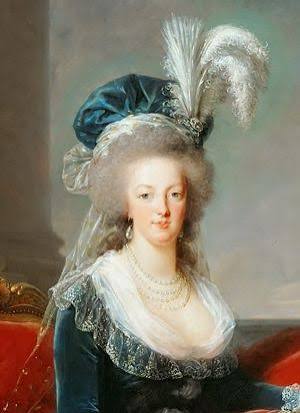
Born in November 1755 at the Hofburg in Vienna, Marie was the fifteenth child and youngest daughter of Emperor Francis I and Empress Maria Theresa. By right of her birth, she was an Austrian archduchess of the House of Habsburg-Lorraine. Marie Antoinette’s lifelong passion for music began during her childhood in Vienna, where she grew up immersed in the vibrant Habsburg court culture. She received elite training in harpsichord, voice, and composition from the legendary composer Christoph Willibald Gluck, and famously crossed paths with a young Wolfgang Amadeus Mozart. Upon moving to France to marry Louis XVI, music became her primary comfort and escape from strict court protocols, leading her to master the pedal harp and transform Paris into the harp-playing capital of Europe.
As Queen, she wielded her immense cultural influence to revolutionize French opera and patronize leading musicians. She boldly introduced Gluck's radical reform operas to Paris high society, supported pioneering composers like André Grétry, and frequently performed chamber music alongside the celebrated violinist Joseph Bologne, Chevalier de Saint-Georges. At her private retreat, the Petit Trianon, she even built a secret theater where she starred in comic operas for her close-knit circle of friends.
Marie Antoinette also achieved distinction as an amateur composer, embracing the late 18th-century fashion for simple, emotional melodies. Her most enduring artistic legacy is the pastoral romance "C'est mon ami", a sweet and melancholy piece composed for soprano voice and harp accompaniment. Through her dedicated patronage, personal performances, and compositions, she left a lasting mark on European classical music that far outlived her tragic political reign.
The Big List is a free resource, but it's not free to build. Support the Donne Foundation and help us keep it growing.