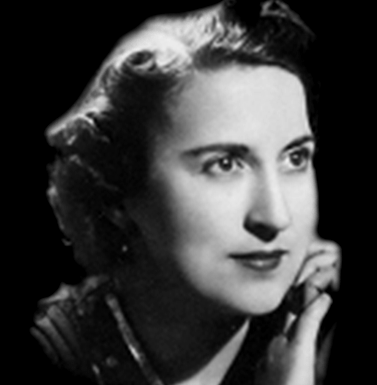
CAMPMANY, Montserrat
Name:
CAMPMANY, Montserrat (1901-1995)
Musical genre:
Opera/Musical Theatre/Dance/Stage, Orchestral, Vocal Music/Art Songs
Country of birth:
Spain
Country of location:
—
Notes:
Montserrat Campmany was born in Barcelona. In 1909 the family decided to move to Argentina. There she studied piano at the Argentine School of Music with Julián Aguirre and composition with Constantino Gaito. In 1928 she contacted with Pau Casals and he conducted several of her symphonic works such as "Indian Dance" and "Symphonic Vision". In 1940 she returned to Argentina definitively and joined the Carlos Vega research group.
With few exceptions, her compositions are developed in three stages: the first stage is the so-called "nationalist" (Poemas de Cuyo). Then, around 1950, the style changed, due to the twelve-tone influence of Juan Carlos Paz (the Saxophone Quartet is an excellent example). And the third stage is that of the great didactic work that she carried out, dedicated to musical pedagogy for children, with Dalcrozian rhythm, which includes songs, didactic works and children's musical theater.
The Big List is a free resource, but it's not free to build.
Support the Donne Foundation
and help us keep it growing.