
BOORN-COCLET, Henriette van den
The Big List is a free resource, but it's not free to build. Support the Donne Foundation and help us keep it growing.
Footer


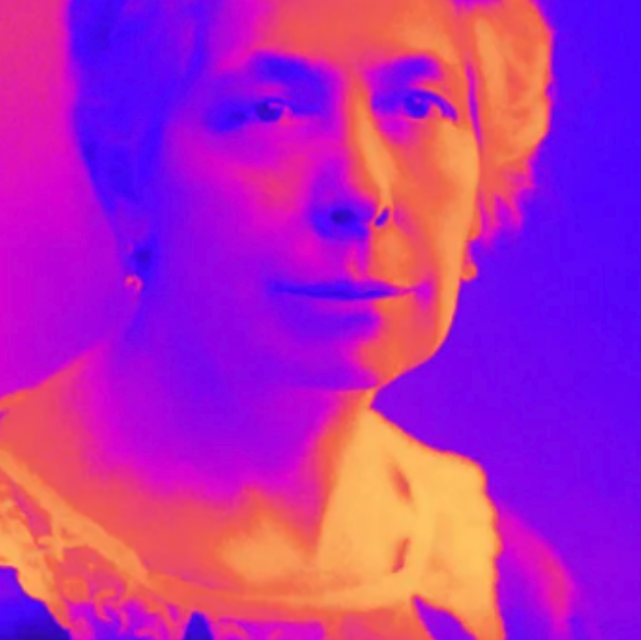
Henriette van den Boorn-Coclet (born Rosalie Henriette Coclet) was a Belgian composer and music educator who lived from January 15, 1866, to March 6, 1945. Born in Liège to a gunsmith and his wife, she demonstrated musical talent early in life and enrolled at the Royal Conservatory of Liège. There, she studied under prominent instructors Jean-Théodore Radoux and Sylvain Dupuis, achieving first prizes in harmony (1882), fugue (1884), and solfège (1887), alongside a silver medal for chamber music in 1886.
Van den Boorn-Coclet made history in 1895 as the first woman to participate in the prestigious Belgian Prix de Rome, qualifying as one of the final six candidates. Following her graduation, she returned to the Liège Conservatory as a faculty member, teaching harmony for nearly four decades from 1892 until 1931.
As a composer, her work was highly regarded during her lifetime and written in a late 19th-century neo-romantic style. Her catalog of compositions includes a symphony, a symphonic poem titled Le Renouveau, a Sérénade for cello and piano, a 1907 sonata for piano and violin dedicated to Eugène Ysaÿe, various piano pieces like mazurkas and caprices, and multiple art songs. She spent her entire life centered in the musical community of her hometown, where she passed away toward the end of World War II.
The Big List is a free resource, but it's not free to build. Support the Donne Foundation and help us keep it growing.